How Montessori Classrooms Encourage Independence
Parents searching for the right early childhood school often want more than academics alone. They want a nurturing environment where their child can grow socially, emotionally, and intellectually while developing the confidence to navigate the world independently. At Countryside Montessori School, children are encouraged to become curious, capable learners. Our thoughtful educational approach is designed to foster lifelong success.
A Montessori school offers a unique learning experience that helps children develop independence naturally from an early age. Through hands-on exploration, self-directed activities, and carefully prepared classroom environments, children learn how to think critically, solve problems, and take responsibility for their own learning. These foundational skills can positively shape a child’s future both in school and later in adulthood.
What Is a Montessori School?
A Montessori school is based on the educational philosophy developed by Dr. Maria Montessori. Her approach emphasizes respect for each child’s natural development and encourages children to learn through exploration and discovery rather than traditional teacher-led instruction.
Unlike many traditional preschool classrooms, where all children follow the same schedule and lessons at the same pace, Montessori classrooms are designed to support individualized learning. We give children the freedom to choose activities within a structured environment, allowing them to develop confidence, focus, and self-motivation.
Teachers in Montessori classrooms act as guides rather than lecturers. They observe each child closely, introduce materials at the appropriate developmental stage, and encourage independent problem-solving. This supportive environment helps children become active participants in their own education.
What Does the Montessori Curriculum Focus On?
The Montessori curriculum is designed to support the whole child. Rather than focusing solely on academics, it promotes cognitive, emotional, social, and physical development.
Key areas of the curriculum typically include:
Practical Life Skills
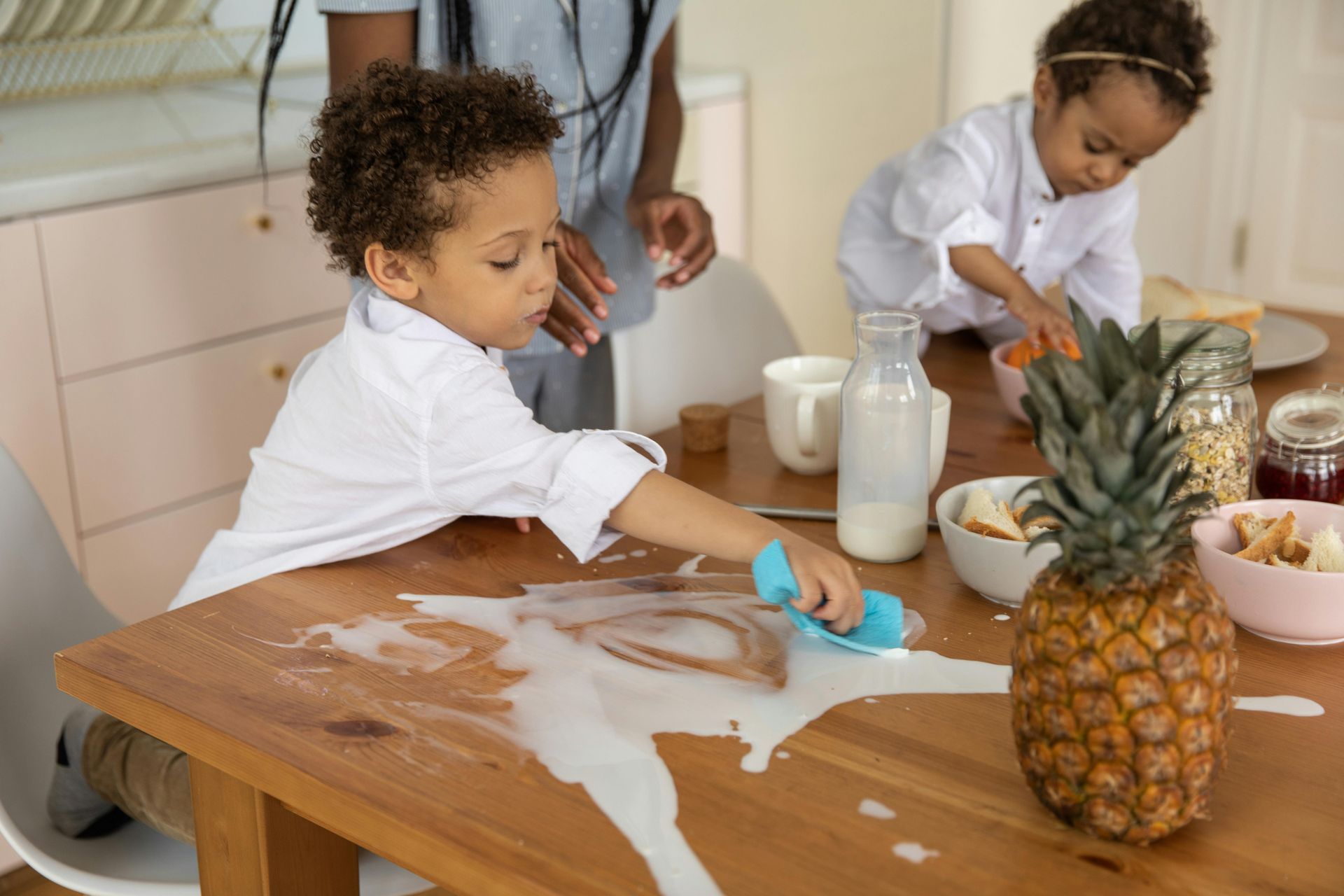
Practical life activities help children develop everyday skills that build independence and coordination. Children may practice pouring water, buttoning clothing, sweeping, organizing materials, or preparing snacks. These tasks may seem simple, but they teach concentration, responsibility, and self-sufficiency.
Sensorial Learning
Sensorial materials help children refine their senses and better understand the world around them. Through tactile, visual, and auditory experiences, children learn to compare sizes, textures, sounds, colors, and shapes. These activities also help prepare children for more advanced math and language concepts later on.
Language Development
Montessori classrooms encourage language growth through storytelling, phonics activities, vocabulary building, reading exercises, and conversation. Children develop communication skills naturally while building confidence in expressing themselves.
Mathematics
Hands-on math materials allow children to physically manipulate objects to understand concepts such as counting, sequencing, addition, subtraction, and place value. This concrete approach helps children develop a deeper understanding of mathematical concepts before moving into abstract thinking.
Cultural Studies & Science
Children are introduced to geography, science, nature, art, and music in engaging and age-appropriate ways. Montessori education encourages curiosity and helps children develop an appreciation for the world around them.
What Kind of Toys & Materials Are Used in Montessori Classrooms?
Montessori classrooms intentionally use materials that encourage active learning, creativity, and independent thinking. Rather than relying heavily on flashy electronic toys or overstimulating entertainment, Montessori materials are designed to be purposeful and developmentally appropriate.
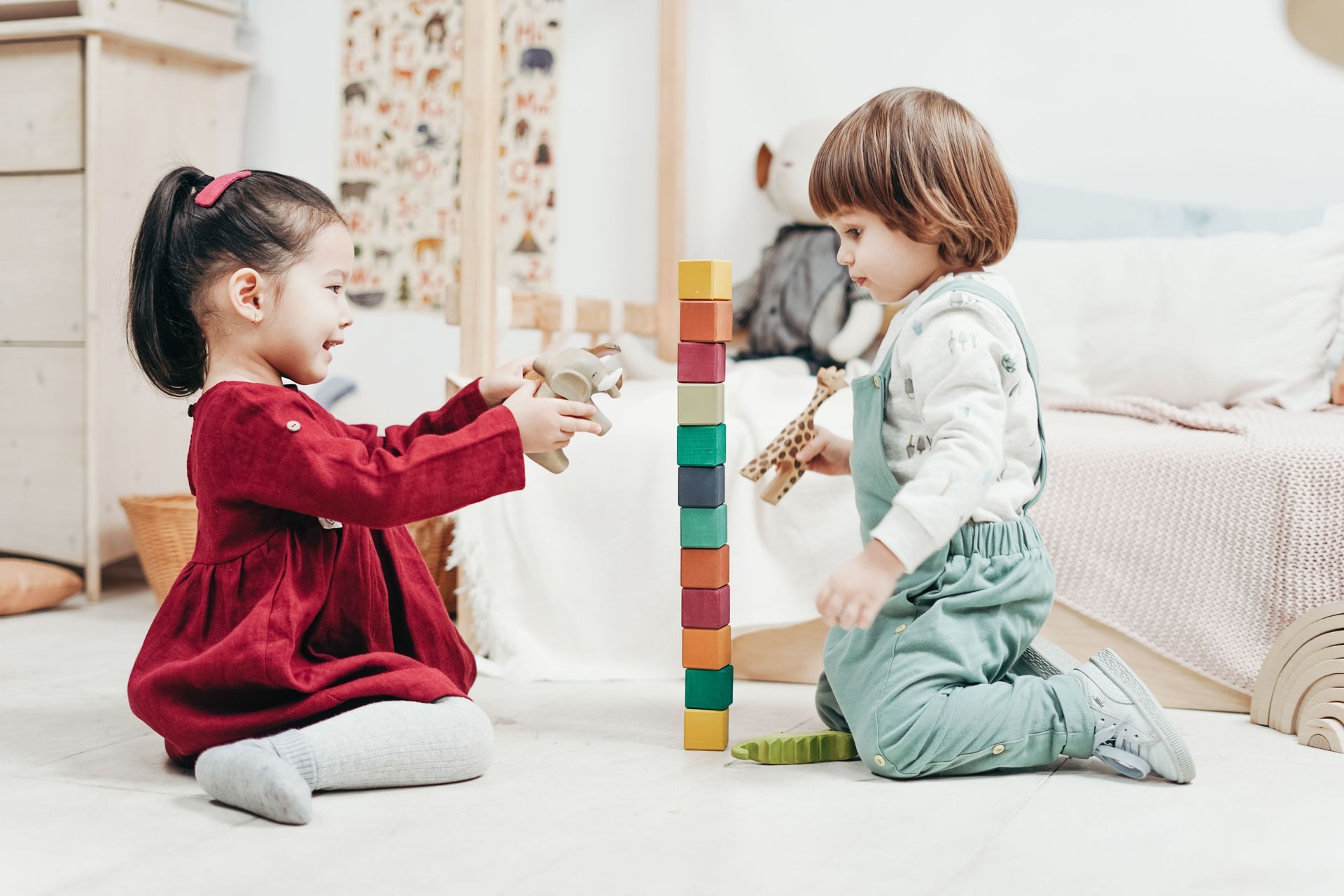
Many Montessori toys and learning tools are made from natural materials such as wood, metal, fabric, and glass. They tend to be simple in appearance but carefully designed to teach a specific skill or concept.
Common Montessori materials include:
- Wooden puzzles
- Stacking and sorting activities
- Sensory bins
- Counting beads and math manipulatives
- Practical life tools sized for children
- Building blocks
- Fine motor activities
- Matching and sequencing games
These materials encourage children to engage deeply with activities, improve concentration, and develop problem-solving skills independently.
Typical Montessori Activities for Young Children
Montessori classrooms are active learning environments where children participate in meaningful hands-on activities throughout the day. Because children are encouraged to choose their own work, they become more invested in the learning process.
Some common Montessori activities include:
Caring for the Environment
Children may water plants, clean tables, organize shelves, or care for classroom materials. These tasks help children develop responsibility and pride in the natural world around them.
Food Preparation
Young children love to help prepare simple snacks or meals. Activities such as spreading, slicing soft fruits, or pouring drinks have practical benefits as well. Working on these skills can strengthen their coordination and help them build confidence.
Independent Work Time
Children in a Montessori classroom select activities that interest them and work at their own pace. This freedom encourages self-discipline, decision-making, and concentration.
Collaborative Learning
Mixed-age classrooms allow younger children to learn from older peers while older students reinforce their knowledge by helping others. This collaborative atmosphere promotes empathy, leadership, and communication skills.
Movement & Sensory Exploration
Montessori classrooms recognize the importance of movement in learning. Activities may include carrying materials, practicing balance, sensory exploration, and hands-on experimentation.
Why the Montessori Approach Benefits Children
The Montessori method is intentionally designed to support a child’s natural desire to learn and grow independently. Children are encouraged to make choices, solve problems, and complete tasks on their own within a safe and supportive environment.
This approach offers several long-term benefits:
Builds Confidence
When children complete tasks independently, they gain confidence in their abilities. This confidence encourages them to try new challenges and persevere through difficulties.
Encourages Critical Thinking
Children in a Montessori classroom learn how to think critically, explore solutions, and make decisions independently. This offers more beneficial effects than simply memorizing information.
Develops Concentration
Montessori classrooms allow children uninterrupted time to focus on activities that interest them. Over time, this strengthens their attention span and concentration skills.
Supports Emotional Growth
Children learn patience, cooperation, responsibility, and respect for others through daily classroom interactions and routines.
Promotes a Love of Learning
Because the learning experience is hands-on and child-centered, children develop genuine curiosity and enthusiasm for discovering new things.
How Montessori Classrooms Help Children Build Independence
One of the most defining features of a Montessori preschool is its emphasis on independence. Every aspect of the classroom is intentionally designed to help children learn how to do things for themselves.
Classroom furniture, shelves, and materials are all child-sized and accessible. This allows students to navigate the environment confidently without constant adult assistance. Children are encouraged to make choices, complete tasks independently, clean up after themselves, and take responsibility for their work.
Teachers provide guidance and support when needed, but they also allow children the space to problem-solve and develop resilience. This balance helps children become more self-reliant and capable over time.
As children gain independence in small daily tasks, they begin developing important life skills such as:
- Self-confidence
- Decision-making
- Responsibility
- Time management
- Organization
- Persistence
- Self-motivation
These skills extend far beyond the classroom and can positively impact future academic performance, relationships, careers, and overall personal growth.
How Independence Benefits Children Later in Life
The independence children develop in a Montessori school can continue benefiting them well into adulthood. Children who learn to think independently and manage responsibilities early become adaptable, confident individuals later in life.
Independent learners become more comfortable tackling challenges, communicating effectively, and managing new situations. They can also develop stronger leadership skills, improved emotional regulation, and greater self-awareness.
The Montessori approach helps children understand that mistakes are part of learning. This can foster resilience and a growth mindset throughout life.
Helping Children Thrive Through Montessori Education
Choosing the right preschool is an important decision for any family. A Montessori early childhood school offers children an opportunity to grow academically, socially, and emotionally while building the independence and confidence that support lifelong success.
At Countryside Montessori School, children are encouraged to explore, discover, and develop at their own pace within a nurturing and supportive environment. Families who are looking for a Montessori school experience that prioritizes hands-on learning and personal growth can learn more about the programs available for
toddlers and
primary-aged children in the Great Neck and Manhasset, NY area.
Contact our office today to schedule a visit and learn more about the ways that a Montessori education can help your child thrive.