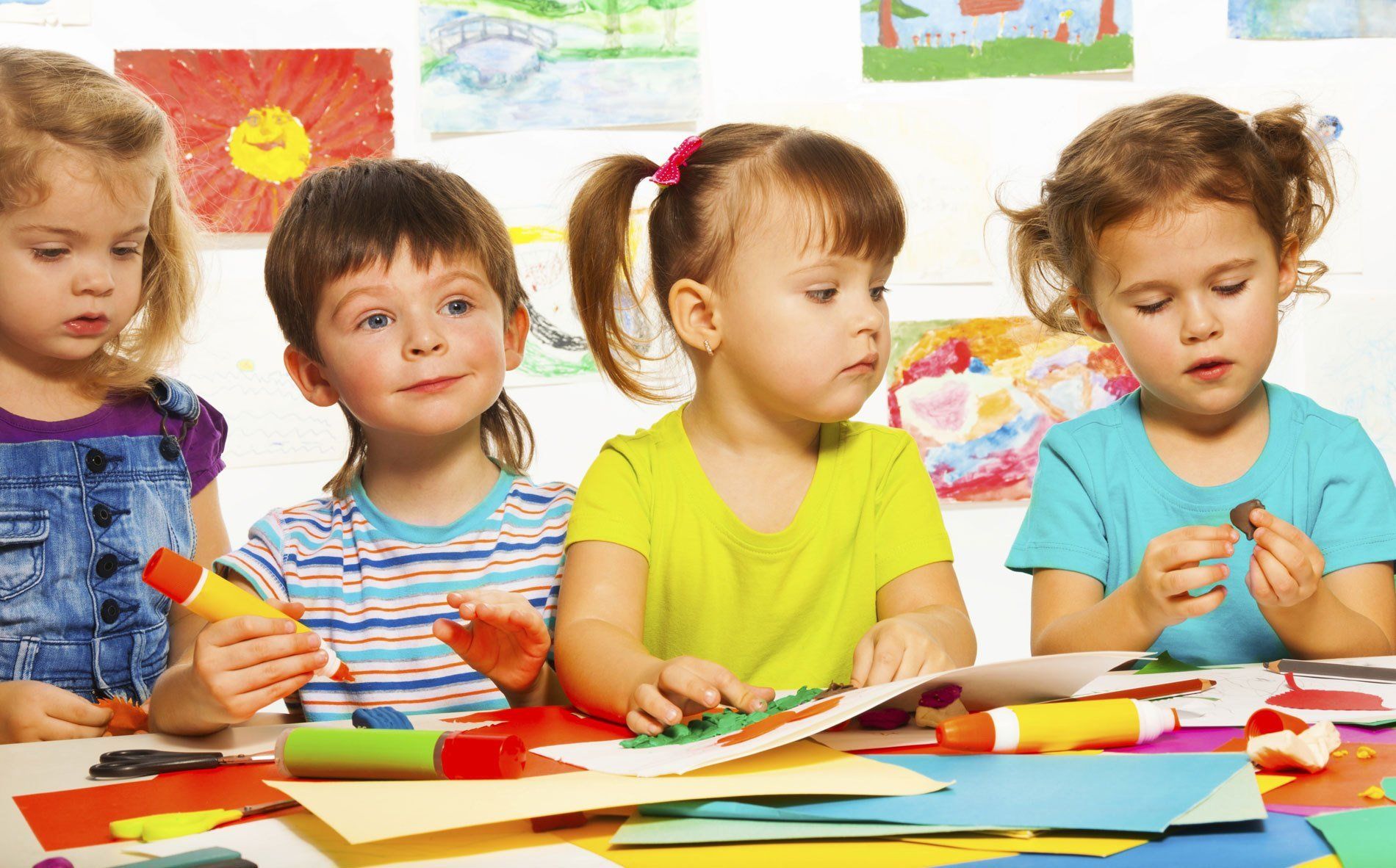
How to Prepare Your Toddler for Preschool
Starting preschool is an exciting milestone for both children and parents. It marks the beginning of a child's educational journey, introducing new friendships, routines, and opportunities for growth. While every child adjusts at their own pace, thoughtful preparation can help make the transition smoother and more enjoyable.
The first days in an early childhood school can feel like a big step. By encouraging independence, building confidence, and creating positive expectations, you can help your toddler feel ready to embrace this new adventure.
Build Independence Through Everyday Activities
One of the best ways to prepare your toddler for preschool is to encourage independence at home. Simple daily routines give children opportunities to practice skills they will use in the classroom.
Consider encouraging your child to:
- Put on and remove their shoes and jacket.
- Wash their hands independently.
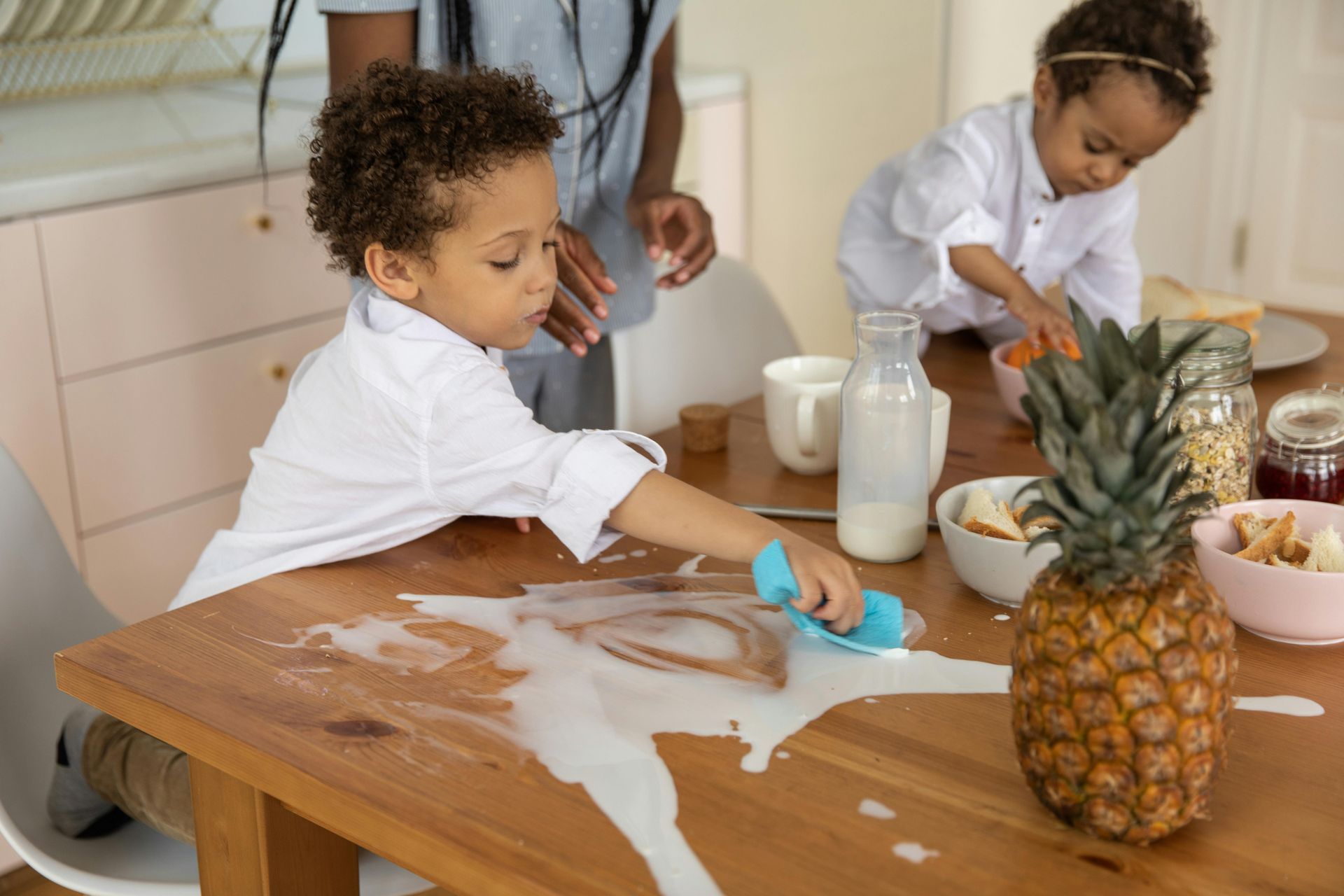
- Clean up toys after playtime.
- Feed themselves during meals.
- Carry a small backpack or lunch bag.
These everyday accomplishments help children develop confidence and foster the self-reliance that a Montessori school environment encourages.
Establish a Consistent Daily Routine
Preschool introduces a structured schedule that includes learning, meals, outdoor play, and rest. Creating predictable routines at home before school begins can make this adjustment much easier.
Try establishing consistent times for:
- Waking up and going to bed.
- Meals and snacks.
- Reading together.
- Outdoor play.
- Quiet time.
When children know what to expect, they tend to feel more secure and prepared for new experiences.
Encourage Social Skills
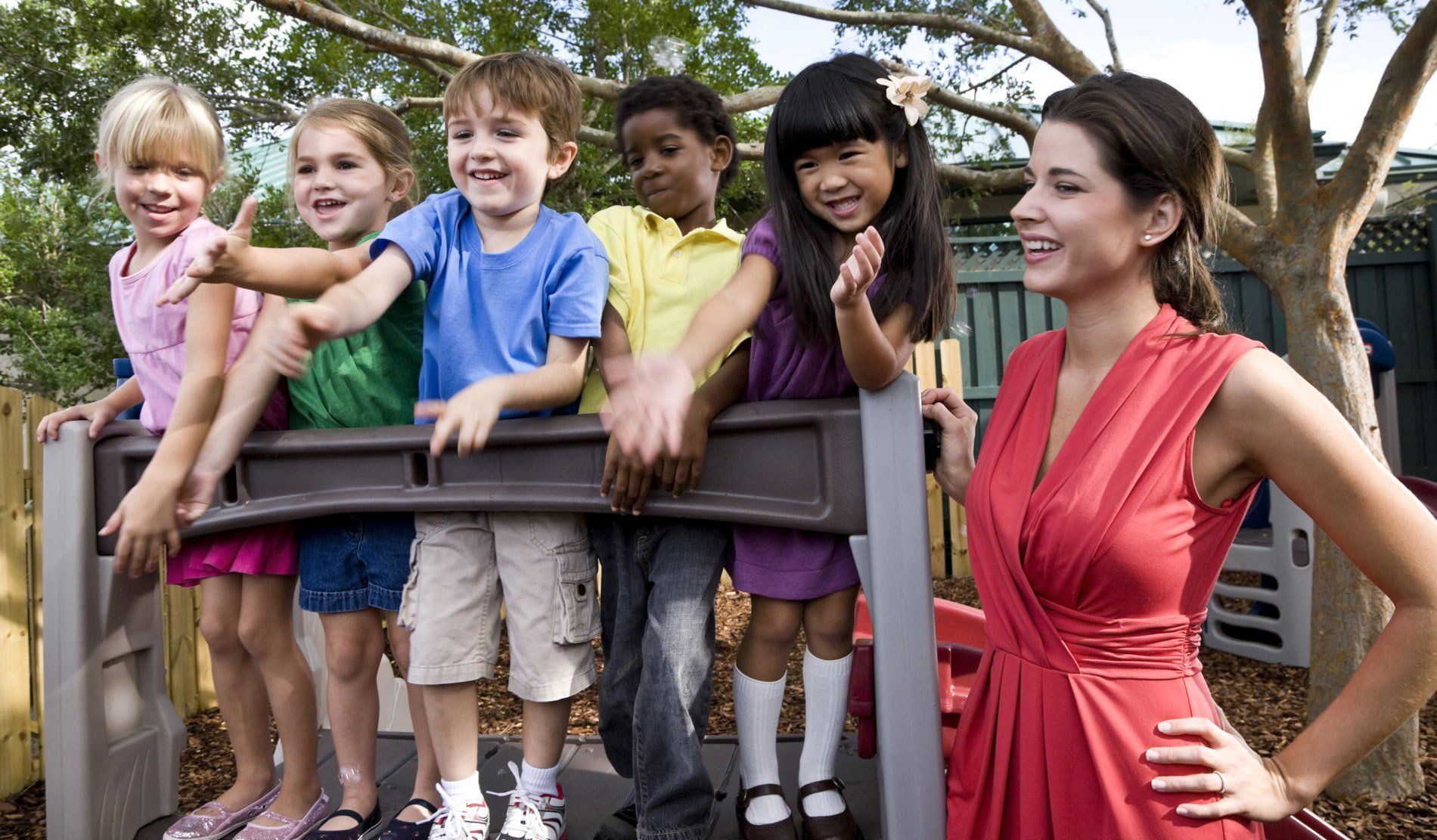
For many toddlers, preschool is their first experience interacting regularly with a group of peers. Helping your child practice social skills beforehand can build confidence and reduce anxiety.
Opportunities such as playdates, library story times, or community activities allow children to practice:
- Sharing.
- Taking turns.
- Listening to others.
- Following simple directions.
- Expressing their feelings with words.
These experiences provide valuable practice before entering an early childhood school.
Read Books About Starting Preschool
Children often process new experiences through stories. Reading books about beginning preschool can help your toddler understand what to expect and reassure them that many children experience similar feelings.
As you read together, talk about classroom activities, teachers, making friends, and learning new things. Encourage your child to ask questions and share their thoughts about starting school.
Talk Positively About Preschool
Your attitude has a significant influence on how your child feels about starting preschool. Speak positively about the exciting opportunities ahead while acknowledging that it is normal to feel nervous.
Avoid focusing on your own worries or discussing separation anxiety in front of your child. Instead, emphasize the fun experiences they will enjoy, such as exploring new materials, making friends, and discovering new interests.
Practice Short Separations
If your toddler has spent most of their time at home, practicing short separations can help ease the transition. Leaving your child with a trusted family member or caregiver for brief periods allows them to learn that you always return.
Gradually increasing the length of these separations can build confidence and reduce anxiety before the first day of preschool.
Visit the School Before the First Day
Whenever possible, visit the preschool together before classes begin. Seeing the classroom, meeting teachers, and becoming familiar with the environment can help make the first day feel less overwhelming.
Your child will likely feel more comfortable if they have already explored their new surroundings and know what to expect.
Foster a Love of Learning
Preparing for preschool is not about academic drills or memorization. Instead, focus on nurturing your child's natural curiosity.
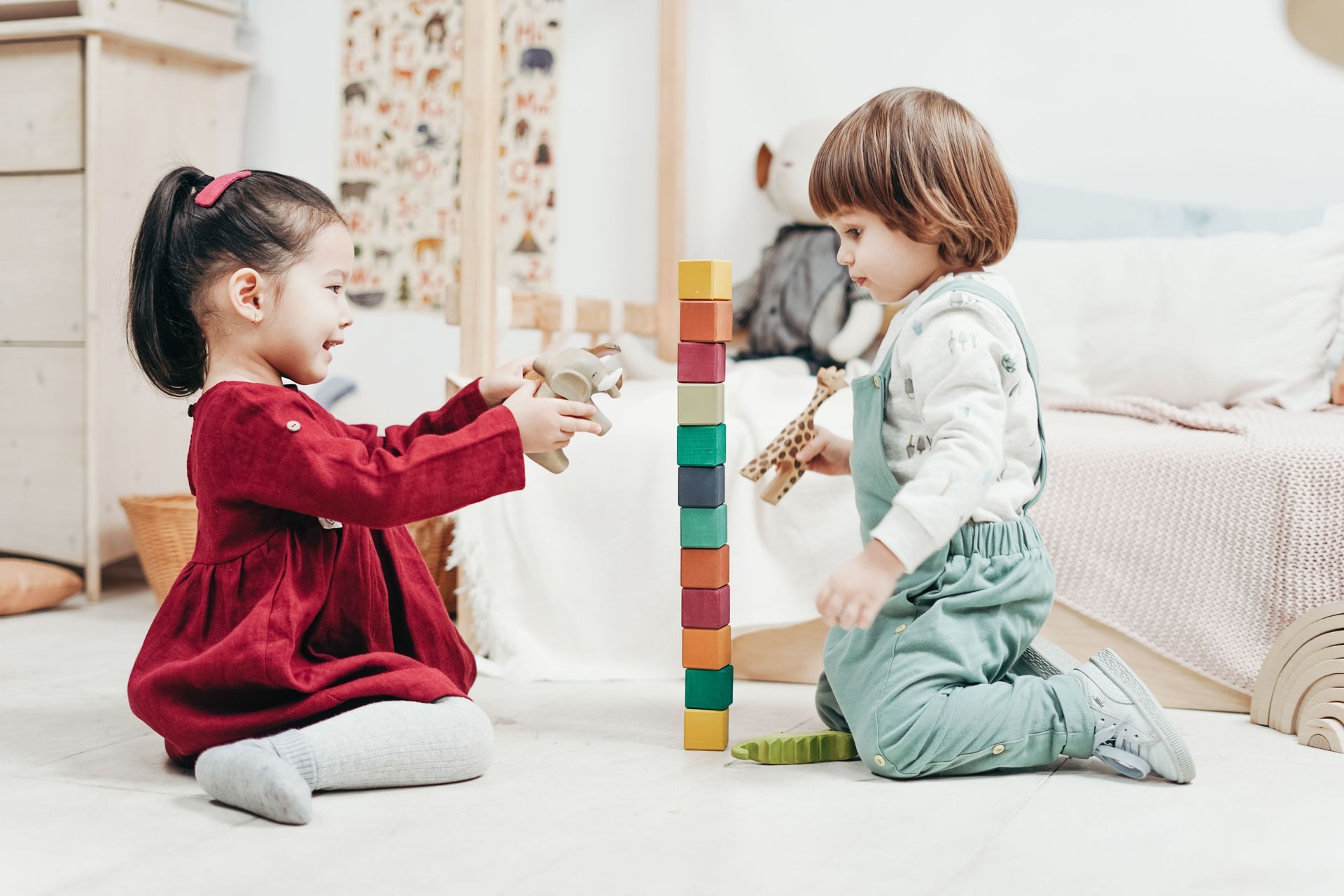
Simple activities like reading together, exploring nature, building with blocks, creating art, singing songs, and asking open-ended questions encourage problem-solving, creativity, and confidence. These experiences lay a strong foundation for lifelong learning and align with the child-centered approach found in a Montessori school.
Prepare Yourself for the Transition
Parents also play an important role in creating a successful preschool experience. Establish a calm morning routine, prepare school items the night before, and keep goodbyes short and reassuring.
Most children settle into their new environment more quickly when parents remain confident, consistent, and encouraging.
Give Your Child Time to Adjust
Every child adapts to preschool differently. Some feel comfortable immediately, while others need a few weeks to settle into new routines. Patience, encouragement, and open communication with your child's teachers can make all the difference.
Remember that adjustment is a process, and each small success helps your child build confidence for the future.
Begin Your Child's Learning Journey with Countryside Montessori School
Choosing the right preschool is one of the most important decisions you can make for your child.
Countryside Montessori School offers a nurturing Montessori school environment where children develop independence, confidence, and a lifelong love of learning through hands-on experiences and individualized guidance. If you are searching for an exceptional
preschool in the Great Neck and Manhasset, NY area, we invite you to
contact us to learn more about our programs and schedule a visit.