How Play & Learning Work Together During the Early Childhood Years
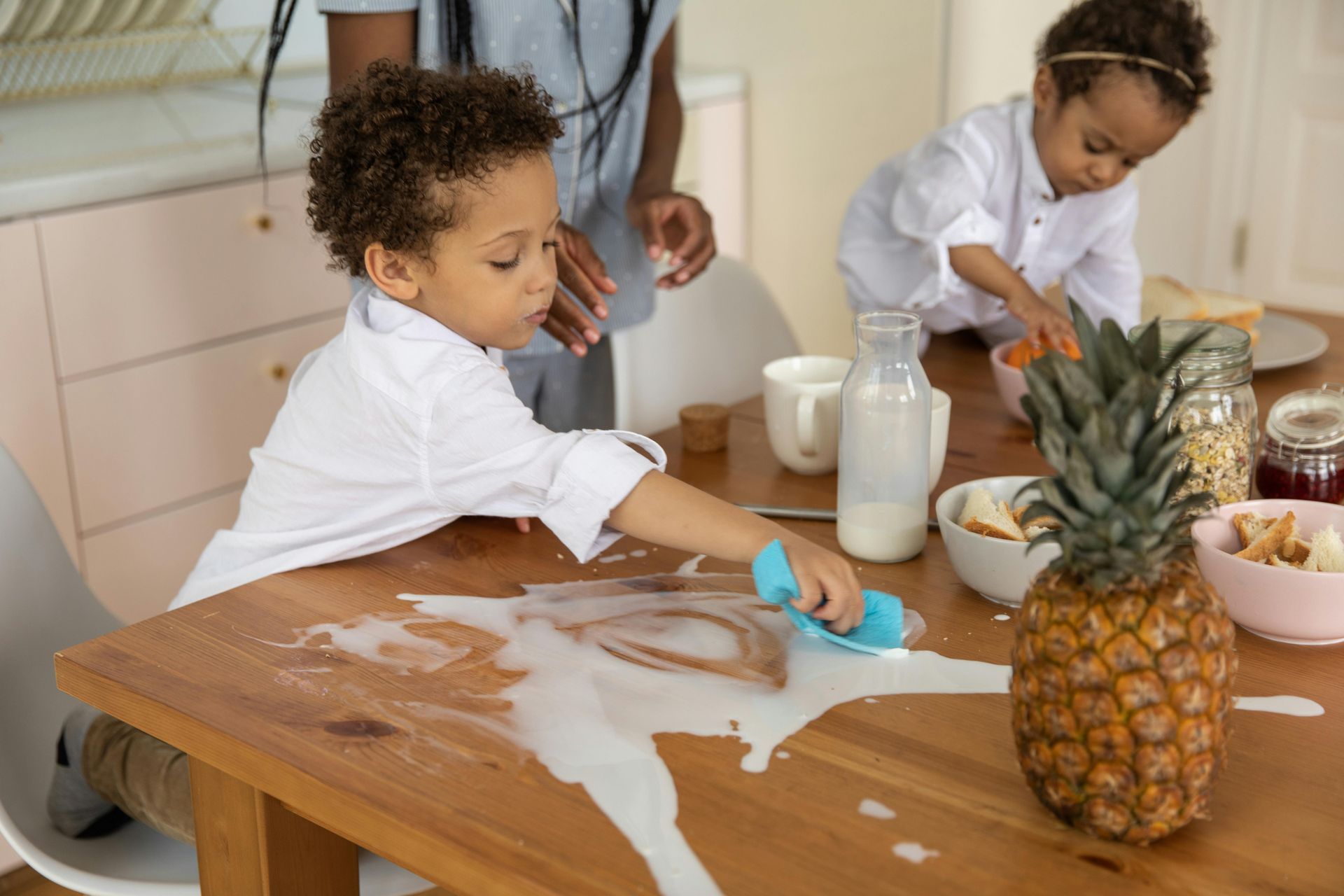
Young children are naturally curious about the world around them. Every block they stack, puzzle they solve, and imaginative game they create helps build important skills that support future academic and personal success. In a Montessori environment, play is not viewed as separate from learning—instead, it is an essential part of the educational experience. Through purposeful activities and hands-on exploration, children develop independence, confidence, creativity, and a lifelong love of learning.
Why Play Is So Important
Play gives children the opportunity to explore new ideas, experiment with problem-solving, and develop critical thinking skills in a natural and enjoyable way. As they interact with their environment, children learn to make decisions, overcome challenges, and discover how things work. These everyday experiences help strengthen cognitive development while encouraging curiosity and self-motivation.
Play also allows children to learn at their own pace. Rather than focusing solely on memorization or worksheets, they gain knowledge through meaningful experiences that keep them engaged and excited to learn.
Building Social & Emotional Skills
Early childhood is an important time for developing healthy relationships and emotional awareness. Through cooperative play and group activities, children learn valuable life skills such as:
- Sharing and taking turns
- Communicating with others
- Listening and following directions
- Resolving conflicts respectfully
- Practicing empathy and kindness
- Building confidence and independence
These experiences help prepare children for future classroom settings while fostering positive interactions with peers and adults.
Encouraging Hands-On Learning
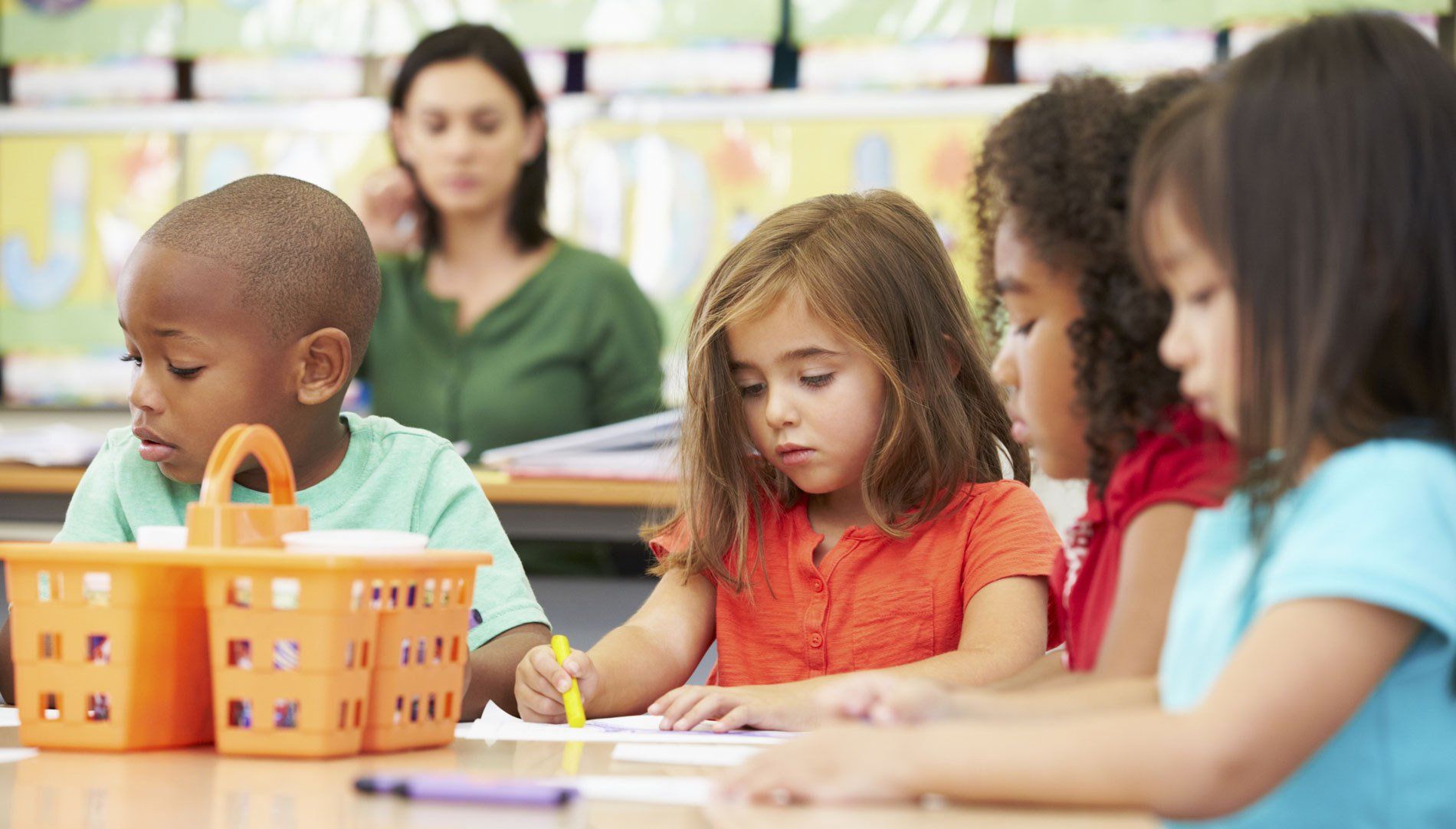
Montessori education emphasizes learning through direct experience. Children are encouraged to work with carefully selected materials that engage multiple senses while introducing foundational concepts in math, language, science, and practical life skills. Activities are intentionally designed to promote concentration, coordination, and independent thinking, allowing children to discover solutions through exploration rather than passive instruction.
This hands-on approach helps children develop a deeper understanding of concepts because they actively participate in the learning process.
Supporting Physical Development
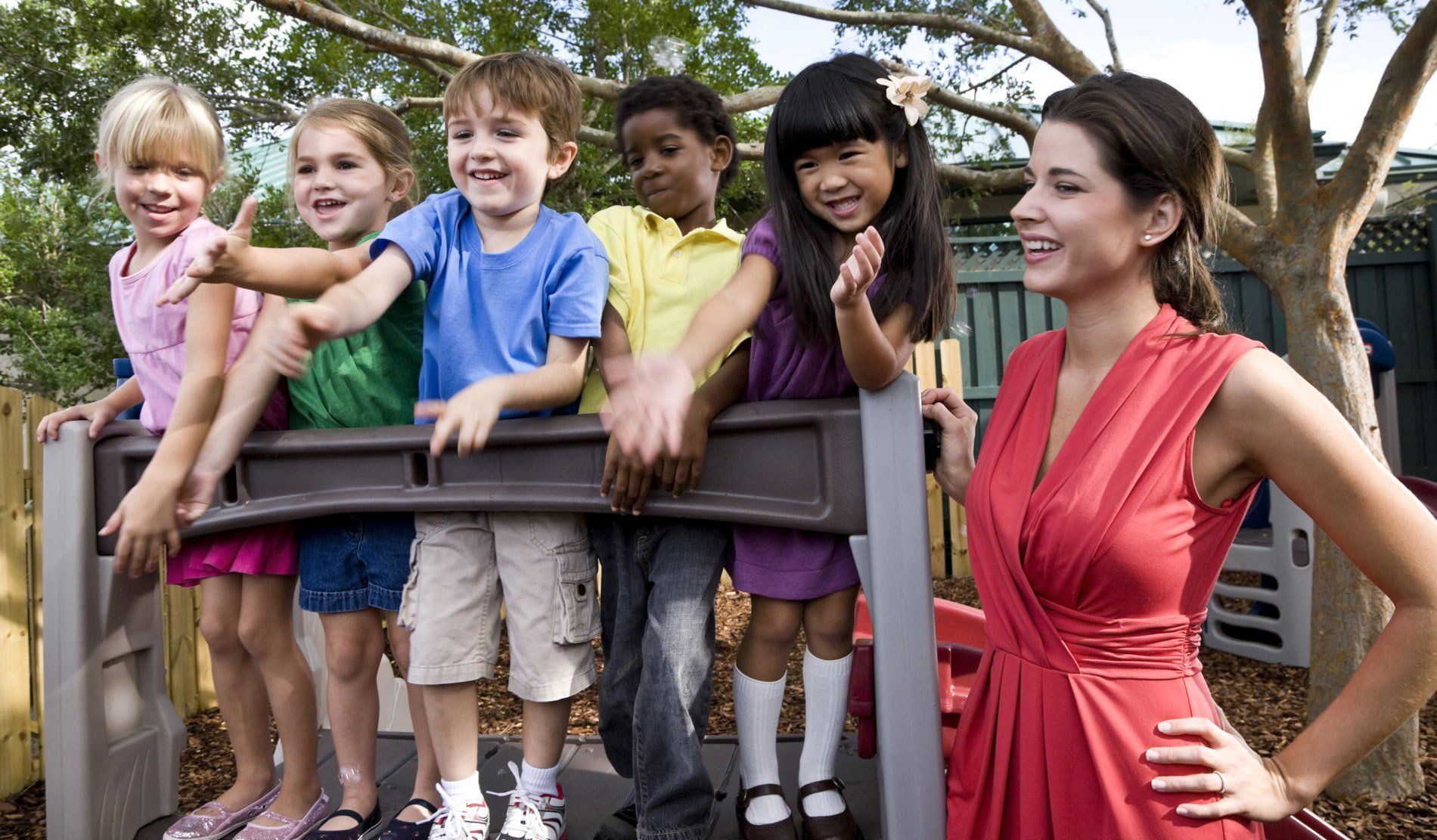
Movement is a vital part of early childhood learning. Activities that involve building, sorting, carrying, climbing, drawing, and manipulating objects help strengthen both fine and gross motor skills. Outdoor play provides additional opportunities for children to improve balance, coordination, and overall physical fitness while encouraging exploration of the natural world.
As children become more physically capable, they also gain confidence in their ability to complete tasks independently.
Fostering Creativity & Imagination
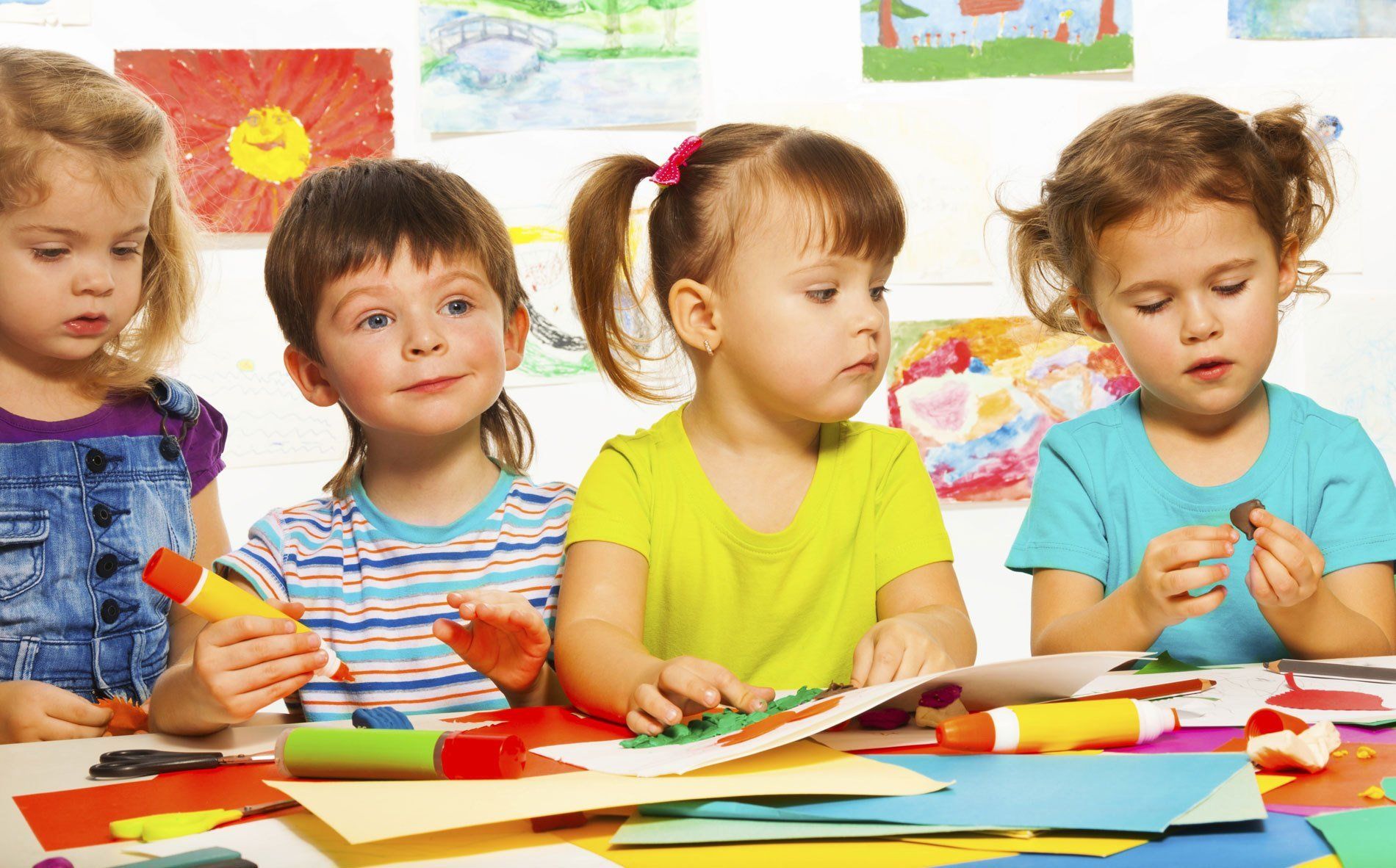
Creative play encourages children to express themselves in unique ways while expanding their imagination. Whether they are creating artwork, building structures, telling stories, or participating in dramatic play, children develop communication skills, flexible thinking, and creative problem-solving abilities. These experiences inspire curiosity and encourage children to approach new challenges with confidence and enthusiasm.
Develop A Foundation for Lifelong Learning at Our Early Childhood School
When play and learning are thoughtfully combined, children develop academic readiness alongside important social, emotional, and practical life skills. At Countryside Montessori School, we've set out to support local children throughout their early years as they gain important skills and play with their peers! If you're interested in learning more about our enriching program, don't hesitate to contact one of our friendly representatives. Our early childhood school is proud to assist families across Great Neck, NY and all the surrounding communities.